
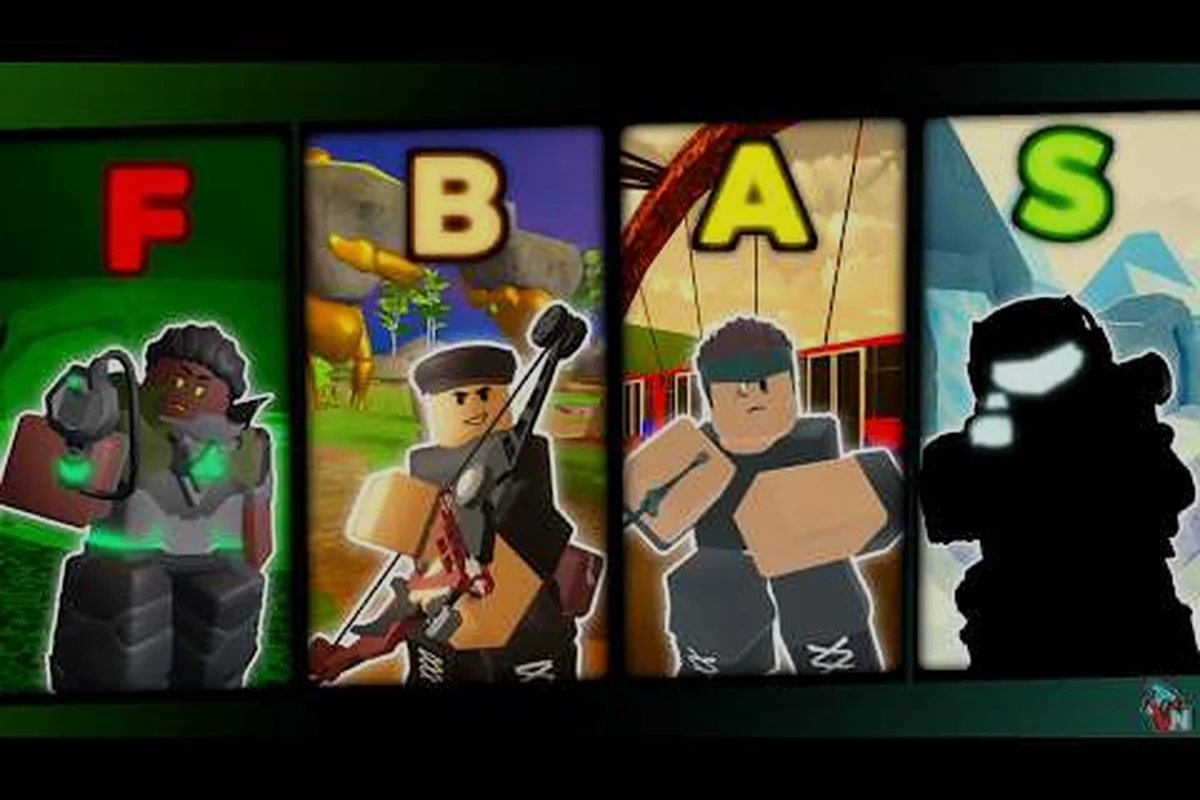
Success in Retro Tower Defense Roblox hinges on understanding how strategy evolves across the full arc of a match. Players who dominate late-game waves rarely succeed by accident—they build their approach from the opening seconds, adapting their retro tower defense Roblox early game strategy into mid-game momentum, then converting that momentum into an unstoppable late-game defense. Whether you prefer aggressive retro tower defense Roblox rush strategy to overwhelm enemies before they scale, or a methodical retro tower defense Roblox turtle strategy that outlasts every threat, this guide breaks down the complete strategic framework you need to secure consistent victories.
Understanding the Core Strategic Framework
The foundation of any retro tower defense Roblox best strategy begins with recognizing that every match consists of interconnected phases, each demanding different priorities and tower investments. Many players struggle because they treat early, mid, and late game as isolated challenges rather than a continuous progression where early decisions create either advantages or liabilities that compound over time. The most effective players visualize the entire match as a single strategic arc, making each placement, upgrade, and resource allocation decision based on how it serves their long-term victory condition rather than immediate convenience.
Wave-based combat in Retro Tower Defense creates a natural rhythm where players alternate between active combat phases and preparation windows between waves. During combat, your placed towers execute their programmed behaviors while you monitor performance and identify weaknesses in your defensive setup. Between waves, you gain precious seconds to reposition units, purchase new defenses, upgrade existing towers, and adjust your overall formation based on the enemy compositions you anticipate facing next. This cycle repeats across increasingly difficult waves, with each round introducing new enemy types, higher enemy counts, and more challenging terrain layouts that demand strategic adaptation. Understanding this loop is essential because it informs every tactical decision—from initial tower placement during the opening minutes through final preparations before the climactic boss encounter.
The retro tower defense Roblox strategies to win that consistently perform best share common characteristics regardless of whether they lean aggressive or defensive. First, successful strategies prioritize economy management by balancing spending between immediate combat effectiveness and long-term scaling potential. Second, they emphasize positioning efficiency by placing towers at locations that maximize their coverage and damage potential against enemy pathways. Third, they incorporate adaptability by building flexible defenses that can respond to unexpected enemy compositions or particularly challenging waves. Finally, they maintain resource reserves for emergency situations, ensuring players can address sudden threats without being forced into suboptimal upgrades or desperate last-minute purchases.
Comparing Aggressive Rush and Defensive Turtle Strategies
| Tower | Rarity | Cost | Base Damage | Range | Attack Speed | Best Stage |
|---|---|---|---|---|---|---|
| Shooter | Common | 100 | 15 | 8 | 1.0s | Early |
| Cannon | Uncommon | 250 | 45 | 6 | 2.2s | Early/Mid |
| Laser | Rare | 500 | 30 | 10 | 1.4s | Mid |
| Missile | Epic | 1200 | 120 | 12 | 3.5s | Mid/Late |
| Map | Unlocks At | Path Turns | Enemy Speed Mod | Special Mechanic | Recommended Towers |
|---|---|---|---|---|---|
| Forest | Start | 2 | 1.0x | None | Shooter, Cannon |
| Desert | Wave 5 | 3 | 1.2x | Sandstorms (-5% accuracy) | Laser, Cannon |
| Snow | Wave 10 | 4 | 0.9x | Ice (slow enemies 15%) | Missile, Laser |
| Volcano | Wave 15 | 5 | 1.4x | Lava (kills in 3s if stationary) | Cannon, Missile |
Two dominant strategic philosophies define how players approach Retro Tower Defense Roblox, and understanding the strengths and weaknesses of each approach allows you to select the playstyle that matches your preferences and skill set. The retro tower defense Roblox rush strategy embraces aggressive early expansion, prioritizing rapid tower deployment and early-game combat dominance over economic preservation. This approach commits resources quickly, often accepting temporary economic weakness in exchange for immediate battlefield presence that can suppress enemy growth before they establish threatening formations.
Rush strategy excels when playing on smaller maps with shorter enemy pathways, where the window between wave starts and enemy arrival at your base is compressed, favoring players who establish early defensive positions. This approach also performs well against certain enemy compositions that struggle to contest early aggression, allowing rush players to accumulate kills and bonus resources that accelerate their mid-game transition. However, rush strategy carries inherent risks that manifest when enemies survive your initial assault and reach your base, potentially triggering economic penalties or forced spending that disrupts your planned progression. Additionally, maps with extended pathways or multiple enemy entry points can neutralize rush advantages by forcing early towers to spread thin across wider defensive perimeters.
In contrast, the retro tower defense Roblox turtle strategy embodies patient, defensive growth focused on building an overwhelming late-game position rather than seeking early victory. Turtle players prioritize economy management during early waves, accepting minor damage in exchange for maximum resource accumulation that funds powerful tower combinations later in the match. This approach works particularly well on longer maps where enemies travel significant distances before reaching your base, providing time for towers to generate value across multiple engagement zones. Turtle strategy also shines against enemy compositions that feature particularly dangerous mid-game enemies, allowing players to weather those challenges with fortified defenses before transitioning to aggressive late-game towers.
The primary risk of turtle strategy involves vulnerable early and mid-game phases where insufficient tower investment can result in catastrophic base damage or even early defeat against aggressive enemy pushes. Turtle players must carefully balance their economic priorities against the need to maintain minimum defensive effectiveness throughout the match, timing their transition from passive accumulation to active combat investment precisely. Both strategies have legitimate paths to victory, and many experienced players blend elements of both approaches, adjusting their playstyle based on map characteristics, available towers, and enemy compositions encountered during each match.
Early Game Strategy: Building Your Foundation
The retro tower defense Roblox early game strategy phase typically encompasses the first five to ten waves, depending on map length and difficulty settings, establishing the economic and tactical foundation that determines your success throughout the remainder of the match. Early decisions carry disproportionate weight because resources invested during opening waves generate value across the entire game, while resources wasted on ineffective towers create deficits that compound as waves grow more challenging. This makes early game the most consequential phase for strategic decision-making, demanding careful attention to tower selection, positioning, and economic management.
Your opening tower choices should prioritize versatility and cost-effectiveness over raw power, selecting units that provide reliable damage output while remaining affordable enough to deploy multiple towers across key positions. The best early game tower selection offers strong single-target damage at low cost, allowing you to establish basic coverage across your base perimeter without overcommitting resources. Positioning these initial towers requires balancing coverage area against enemy pathway convergence points, placing units where they can engage enemies for maximum duration while maintaining sight lines that allow uninterrupted attacks throughout the enemy travel path.
Economy management during early game demands restraint despite the temptation to spend aggressively on new towers or flashy upgrades. Reserve sufficient resources to address unexpected challenges while establishing your defensive foundation, typically maintaining a buffer equal to at least one major tower purchase at all times. This reserve protects against wave composition surprises while allowing you to capitalize on favorable upgrade opportunities when they arise. Watch your resource income rate and plan purchases around incoming waves, avoiding situations where you lack resources for critical defensive investments during vulnerable mid-wave periods.
Map awareness during early game phases provides crucial intelligence for long-term strategic planning, as understanding your specific map's characteristics influences every subsequent decision. Study enemy pathways to identify chokepoints where towers achieve maximum effectiveness, terrain features that block line of sight or create movement hazards, and potential expansion zones where additional towers can be placed as resources become available. The map layout guide provides detailed analysis of optimal tower positioning across different environments, helping you plan early placements that support future defensive expansion.
Mid-Game Strategy: Scaling and Adaptation
| Tower | Lv1→Lv2 Cost | Lv2→Lv3 Cost | Lv3 Damage | Lv3 Range | Lv3 Speed | Lv3 Special |
|---|---|---|---|---|---|---|
| Shooter | 80 | 160 | 28 | 10 | 0.8s | +10% crit |
| Cannon | 200 | 400 | 85 | 7 | 1.8s | Splash 1.5x |
| Laser | 400 | 800 | 55 | 12 | 1.1s | Chain 2 |
| Missile | 960 | 1920 | 220 | 15 | 2.8s | Homing |
The retro tower defense Roblox mid game strategy phase represents the transition period where early advantages either compound into dominant positions or gradually erode under mounting pressure. Mid-game typically spans waves ten through twenty-five, a period characterized by escalating enemy difficulty, increasing resource costs for powerful towers, and growing consequences for strategic missteps. Players who successfully navigate this phase emerge with robust defensive formations capable of handling late-game challenges, while those who struggle often find themselves overwhelmed by enemies their current defenses cannot adequately address.
Mid-game tower progression involves replacing early-game workhorses with specialized units designed for specific threat categories while maintaining overall defensive coverage. Single-target towers with high damage output become essential against tough enemy units that survive early game waves, while area-of-effect units address swarms of weaker enemies that appear in increasing numbers. This diversification requires careful resource allocation, as upgrading existing towers often provides better value than purchasing new units, particularly for towers positioned at critical chokepoints where they already generate significant value. The currency guide offers detailed recommendations for managing these mid-game spending decisions, helping you balance immediate combat needs against long-term scaling requirements.
Enemy composition during mid-game phases introduces variety that demands adaptive strategies rather than static defensive formations. Certain waves feature groups of fast enemies that require towers with rapid attack speeds or area denial capabilities, while others introduce heavily armored units that demand sustained single-target damage. Mixed compositions create the most challenging scenarios, forcing you to maintain diverse tower portfolios capable of addressing multiple threat types simultaneously. Successful mid-game players develop flexible formations that can be quickly reconfigured based on upcoming wave compositions, repositioning towers to maximize effectiveness against anticipated threats.
Positioning adjustments during mid-game become increasingly important as enemy density increases and movement patterns become more complex. Towers positioned too far forward may waste attack potential on enemies that die before reaching optimal engagement range, while towers positioned too far back risk missing fast enemies entirely when they rush past more forward defenses. Finding optimal positioning requires experimentation and map-specific knowledge, as different environments create unique challenges that cannot be addressed with universal solutions. Consider creating dedicated kill zones where multiple towers focus fire on specific pathway segments, maximizing damage output against concentrated enemy groups while maintaining coverage across broader defensive perimeters.
Late Game Strategy: Dominating the Final Waves
The retro tower defense Roblox late game strategy phase tests every element of your strategic planning, combining everything you have learned throughout earlier phases into a final examination of your defensive capabilities. Late-game waves feature the most dangerous enemy types, largest enemy counts, and most challenging terrain layouts, demanding peak performance from your tower selections and positioning decisions. Victory during this phase requires not just competent defensive execution but proactive pressure application that prevents overwhelming enemy momentum from building in the first place.
Late-game tower composition should emphasize maximum damage output within your resource constraints, prioritizing towers that deliver the highest damage-per-second values against both single targets and enemy groups. These premium units typically carry significant costs, making late-game success dependent on the economic foundation established during earlier phases. If your mid-game economy supported sufficient resource accumulation, you can deploy overwhelming firepower that crushes even the toughest enemies before they approach your base. If your earlier phases depleted resources without adequate return, you enter late-game at a significant disadvantage that may prove insurmountable against skilled opponents or challenging wave compositions.
The final waves of each map often include boss-level enemies that demand specialized strategies beyond normal combat approaches. These powerful units feature extensive health pools, potentially including damage resistance against certain tower types and special abilities that complicate standard defensive tactics. Effective boss strategies typically involve concentrating maximum firepower on the boss while maintaining sufficient coverage against supporting enemies, a balancing act that challenges even experienced players. Some tower combinations prove particularly effective against bosses, and identifying these synergies before entering late-game allows you to prepare appropriate counters in advance.
Timing becomes critical during late-game phases, with every second of engagement potentially determining victory or defeat. Watch enemy movement patterns to identify optimal tower activation timing, particularly for abilities with cooldown periods that must be conserved for maximum impact. Position mobile towers to respond to threats across multiple pathway segments, allowing rapid repositioning when enemies exploit gaps in your primary defensive formation. Late-game success rewards preparation, adaptability, and execution precision, demanding your best performance when matches reach their most challenging moments.
Common Strategic Mistakes and How to Avoid Them
Understanding pitfalls that trap less experienced players helps you avoid repeating their errors while reinforcing positive strategic habits that support consistent victory. The most common mistake involves overinvesting in early-game towers that become obsolete as matches progress, leaving players with powerful early units that contribute little against late-game threats. While early investment is necessary, successful players maintain upgrade paths that evolve their defenses alongside enemy scaling, replacing outdated units with superior alternatives before they become liabilities.
Resource mismanagement represents another frequent failure point, with players either spending too aggressively and leaving themselves vulnerable to unexpected challenges, or saving too conservatively and missing opportunities to strengthen their defenses during favorable windows. The ideal approach maintains flexibility by balancing immediate combat needs against long-term scaling requirements, neither overcommitting nor underutilizing available resources. This balance requires constant assessment of current defensive effectiveness relative to upcoming threats, making spending decisions that account for both present circumstances and future developments.
Positioning errors compound across matches when players fail to learn from their placement mistakes, repeating suboptimal tower locations that waste damage potential or create defensive gaps. Each map offers specific optimal positions that maximize tower effectiveness, and identifying these locations requires deliberate experimentation and observation. Study enemy pathways to understand where towers achieve maximum engagement time, then position your most powerful units at these critical points. Avoid placing towers at locations that block sight lines or create unnecessary travel distances for projectiles, as these inefficiencies multiply across thousands of attacks throughout a match.
Strategic Adaptations for Different Game Modes
Beyond standard matches, Retro Tower Defense Roblox offers multiple game modes that demand specialized strategic approaches tailored to their unique challenges and objectives. Infinite mode, which extends gameplay beyond normal wave limits, requires particular attention to economy scaling and tower progression, as the extended match duration creates opportunities for resource accumulation that must be balanced against increasingly dangerous enemy compositions. Players pursuing high scores in infinite mode often develop hybrid strategies that combine defensive stability with aggressive damage optimization, seeking the maximum wave reached rather than simple victory.
Event modes introduce temporary modifiers that alter standard gameplay assumptions, requiring rapid strategic adaptation to exploit new mechanics or counter unexpected challenges. These modes often reward specialized tower combinations that excel under specific modifier conditions, encouraging experimentation with unit selections that might prove suboptimal in standard matches. Competitive modes introduce player-versus-player elements that demand not just defensive excellence but offensive pressure application, as your goal shifts from merely surviving to outperforming an active opponent attempting the same objective.
The strategic principles discussed throughout this guide apply across all game modes, though their implementation requires adjustment based on specific mode requirements and constraints. Develop a flexible strategic framework that can accommodate mode-specific variations while maintaining core competencies in economy management, tower positioning, and adaptive response. This adaptability separates consistently successful players from those who excel only in specific contexts, enabling achievement across the full range of Retro Tower Defense experiences.
Frequently Asked Questions
What is the most effective retro tower defense Roblox best strategy for beginners to learn first?
The turtle strategy, or defensive growth approach, provides the most forgiving learning curve for new players. By prioritizing economy management during early waves and building toward overwhelming late-game positions, turtle strategy allows beginners to learn tower characteristics and map layouts without the time pressure of aggressive rush tactics. This approach also reduces the consequences of individual mistakes, as maintaining a resource reserve provides flexibility to recover from errors that might prove catastrophic under rush strategies.
How do I decide between retro tower defense Roblox rush strategy versus turtle strategy for each match?
Map length and enemy pathway characteristics typically determine optimal strategy selection. Shorter maps with direct pathways favor rush strategies, as enemies reach your base quickly, rewarding early defensive presence. Longer maps with winding pathways or multiple entry points favor turtle strategies, as extended enemy travel time allows your economy to scale before threats become overwhelming. Additionally, consider your comfort level with risk—if consistent victory matters more than potential blowout wins, turtle strategy offers better average outcomes.
When should I transition from early game economy building to mid-game combat investment?
The transition point varies based on map difficulty and enemy compositions, but general guidance suggests prioritizing defense once you face enemy waves that deal significant base damage with your current setup. Watch your base health percentage after each wave—declining health indicates insufficient defensive investment, signaling time to allocate resources toward stronger towers rather than continued economic accumulation. Conservative players might transition earlier, while aggressive players accept more risk for greater economic benefits.
What tower upgrades provide the best return on investment during retro tower defense Roblox strategies to win?
Upgrade priorities depend on your specific tower composition, but general principles favor upgrading towers at critical chokepoints before improving secondary positions. Towers that engage enemies for maximum duration provide the best upgrade value, as their extended engagement time amplifies damage improvements. Avoid spreading upgrades across too many units, instead concentrating improvements on your most valuable positions for maximum combat impact per resource spent.
How do I adapt my retro tower defense Roblox mid game strategy when facing unexpected enemy compositions?
Maintain a diverse tower portfolio that addresses multiple threat types rather than specializing exclusively against expected compositions. When facing unexpected enemies, assess which of your current towers prove most effective and consider repositioning them to maximize their impact against new threats. Reserve resources for emergency purchases that address immediate gaps in your coverage, even if this delays planned upgrades. Flexibility and rapid adaptation distinguish successful mid-game players from those who struggle against unfamiliar enemy combinations.