
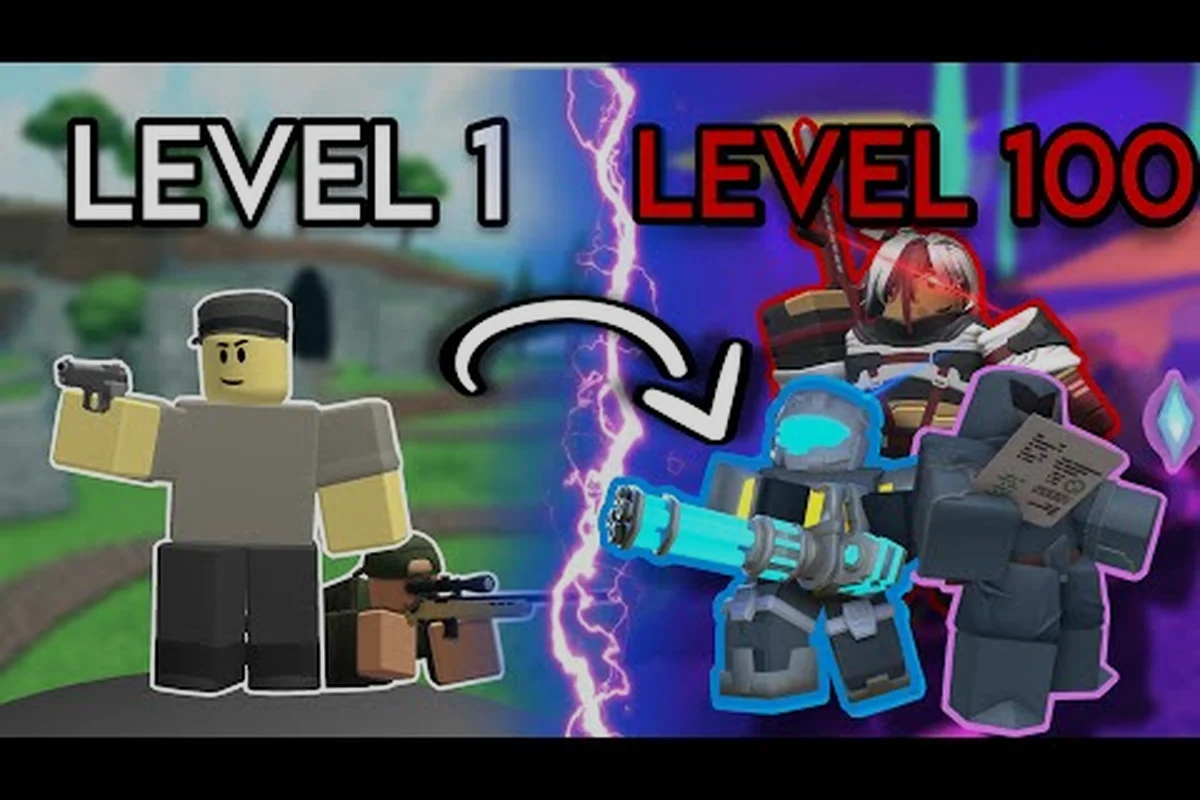
Retro Tower Defense Roblox Infinite Mode presents one of the most demanding challenges in tower defense gaming on the platform. Unlike standard campaign levels with fixed enemy compositions and finite waves, Infinite Mode throws endless waves of increasingly powerful foes at your defenses until a single enemy breaches your last line. The mode rewards deep understanding of unit synergies, economy management, and strategic positioning under mounting pressure. Players who master Infinite Mode often become the most skilled strategists in the community, consistently pushing past wave milestones that defeat casual players within the first dozen rounds. This comprehensive guide covers everything from core Infinite Mode mechanics to advanced survival techniques, helping you build defenses capable of withstanding hundreds of waves without succumbing to enemy overflow.
Understanding Infinite Mode Mechanics
| Tower Type | Damage (base) | Range | Attack Speed | Cost | Special Mechanic |
|---|---|---|---|---|---|
| Basic Blaster | 15 | 8 | 1.0s | 100 | — |
| Sniper Tower | 45 | 15 | 2.5s | 350 | Pierces 2 enemies |
| Flame Thrower | 8 | 5 | 0.3s | 200 | AoE burn (3s DoT) |
| Freeze Ray | 10 | 7 | 1.5s | 275 | Slows 40% for 2s |
| Missile Launcher | 80 | 12 | 4.0s | 500 | Splash radius 3 |
| Wave Range | Enemy Count | Avg HP | Speed | Boss Present | Recommended Towers | Gold Reward |
|---|---|---|---|---|---|---|
| 1–5 | 8–12 | 30 | 3 | No | 2 Basic Blasters | 150–250 |
| 6–15 | 15–25 | 80 | 4 | No | 1 Sniper + 2 Blasters | 400–700 |
| 16–30 | 30–50 | 200 | 5 | Wave 30 | 1 Missile + 1 Freeze | 1200–2000 |
| 31–50 | 60–100 | 500 | 6 | Wave 50 | Full array + gamepass buffs | 3500–5000 |
Infinite Mode in Retro Tower Defense operates on fundamentally different principles than the campaign or survival modes available in the game. The core objective remains straightforward: prevent enemies from reaching the end of the path by deploying and upgrading defensive units. However, the endless nature of enemy spawning introduces escalating difficulty curves that test even well-prepared defenses. Each wave in Infinite Mode contains more enemies than the previous one, and these enemies gain additional health and damage stats as the run progresses, creating compounding pressure on your defensive lineup. Wave composition also shifts dynamically, introducing faster enemies, armored units, and boss-class enemies at semi-random intervals that require constant adaptation. The mode does not end upon reaching a specific wave number; instead, it continues until your defenses fail completely, making the length of your run directly proportional to your strategic planning and resource allocation.
Enemy scaling in Infinite Mode follows a percentage-based formula that multiplies base stats by a factor tied to the current wave number. Early waves through approximately wave fifteen feature enemies with health pools and movement speeds close to their standard values, allowing new players to establish their economies and deploy initial defensive structures without overwhelming pressure. The difficulty inflection point typically occurs around waves twenty through thirty, where enemy health increases become noticeable and swarm compositions begin featuring faster unit types that bypass slower defenses entirely. Beyond wave fifty, enemies regularly exceed double their base health values, requiring players to maintain upgraded units with multiplicative damage bonuses just to achieve meaningful damage per second output against the enemy tide. Understanding this scaling relationship helps players prioritize upgrade investments that remain relevant as waves progress rather than spending resources on short-term solutions that lose effectiveness rapidly.
The loss condition in Infinite Mode differs subtly from other game modes, which catches many players off guard when they first attempt the mode. You lose not when all your units die or when enemies destroy a base, but rather when a single enemy unit successfully traverses the entire path and escapes your defensive perimeter. This creates unique pressure because a single breakthrough enemy can end an hours-long run, making consistency and redundancy absolutely essential components of any viable Infinite Mode strategy. Players must design their defensive layouts to include multiple overlapping fields of fire and fallback positions that can eliminate breakthrough enemies before they escape, treating every enemy that passes the first defensive line as a potential run-ending threat rather than a minor inconvenience.
Best Units for Endless Wave Survival
| Unit | Unlock Wave | Cost | HP | Speed | Attack | Role |
|---|---|---|---|---|---|---|
| Scout Drone | Wave 5 | 75 | 40 | 8 | 5 | Fast recon |
| Heavy Tank | Wave 10 | 200 | 200 | 4 | 15 | Anchor front |
| Stealth Bomber | Wave 20 | 300 | 60 | 6 | 35 | Burst damage |
| Medic Drone | Wave 15 | 150 | 50 | 5 | 0 | Heals 10 HP/s |
| Boss Elite | Wave 25 | 500 | 500 | 3 | 25 | Final wave carry |
Selecting the right units forms the foundation of any successful Infinite Mode run in Retro Tower Defense, as your defensive lineup determines both your damage output and your ability to handle diverse enemy compositions throughout your extended run. The Retro Tower Defense Roblox All Units guide provides comprehensive information on every available unit, but certain units demonstrate exceptional performance characteristics specifically suited for Infinite Mode endurance challenges. High damage per second units that can efficiently eliminate groups of enemies prove more valuable than single-target specialists in most scenarios, since the sheer volume of enemies in Infinite Mode overwhelms strategies focused on eliminating individual threats. Area-of-effect damage units that can hit multiple enemies simultaneously provide multiplicative value against swarm compositions, making them essential components of any Infinite Mode defensive strategy.
The premium units available through the game's premium currency or gamepass purchases often prove to be worthwhile investments for serious Infinite Mode players due to their enhanced base stats and unique abilities that remain relevant even at high wave counts. Units with chain lightning or explosive area effects deliver exceptional value by multiplying their damage across multiple targets, effectively reducing the number of units needed to maintain adequate damage output against large enemy groups. Speed-based units that can target and eliminate fast enemies before they traverse the path also prove invaluable, as faster enemy types become increasingly common in later waves and can bypass slow-attack units entirely if not countered by appropriate defenses. Players should carefully evaluate the unlock conditions and stat progressions of each available unit to identify which combinations provide the best synergy for their preferred playstyle and resource budget.
Unit positioning directly impacts the effectiveness of even the best units in Infinite Mode, as incorrect placement wastes the potential advantages that strong units provide. Positioning high-damage units at chokepoints where enemies naturally concentrate maximizes their area-of-effect potential and ensures that each attack strikes as many enemies as possible. Slower units with high damage output should be placed earlier in the path where they have maximum time to engage targets, while faster units with lower damage should be positioned closer to the exit to catch enemies that slip past earlier defenses. Creating layered defensive lines with overlapping coverage zones ensures that enemies face continuous damage pressure throughout their journey, reducing the likelihood that any single enemy survives long enough to reach the exit path and end your run.
Gamepasses and Their Value for Infinite Mode
Understanding the available gamepasses and their associated costs helps players make informed decisions about which purchases provide genuine value for Infinite Mode progression. The Retro Tower Defense Roblox gamepasses guide covers the complete gamepass lineup, but certain gamepasses offer particularly significant advantages for players focused on Infinite Mode endurance. Gamepasses that provide starting currency bonuses create compound advantages across extended runs, effectively multiplying every subsequent earnings source by giving players more resources to work with from the very first wave. This early economic advantage compounds throughout the run, as players with more starting currency can deploy stronger defensive lineups earlier and reach critical upgrade thresholds faster than players without these bonuses.
The Core Gamepass typically costs a moderate amount of Robux and provides permanent access to select premium units alongside an instant global upgrade ability that can be used once per run. For Infinite Mode specifically, the instant global upgrade proves exceptionally valuable because it allows players to boost all their units simultaneously at a critical moment, such as when facing a sudden spike in enemy difficulty or when attempting to push past a previous personal best wave milestone. Players who purchase this gamepass report significantly improved consistency in achieving higher wave counts, as the emergency upgrade ability can salvage runs that would otherwise end prematurely due to unexpected enemy compositions or positioning mistakes. The premium units included with this gamepass also tend to feature strong base stats that remain competitive even at high wave counts, making them reliable choices for Infinite Mode defensive lineups.
The Super Gamepass represents the higher tier purchase option, typically costing more Robux than the Core Gamepass but delivering correspondingly greater benefits for serious Infinite Mode players. This gamepass often includes enhanced starting currency multipliers, exclusive premium units with unique abilities not available through standard gameplay, and additional quality-of-life features such as accelerated experience gain or reduced unit deployment cooldowns. The combination of economic advantages and exclusive unit access makes this gamepass particularly attractive for players aiming to achieve competitive wave counts or compete on leaderboards for highest wave reached. However, casual players who only occasionally attempt Infinite Mode may find that the standard game experience provides sufficient enjoyment without requiring these purchases, as the core Infinite Mode mechanics remain accessible to all players regardless of gamepass ownership.
Strategic Positioning and Unit Synergies
Mastering unit positioning separates players who consistently reach wave fifty from those who push past wave one hundred in Retro Tower Defense Infinite Mode. The path layout in Infinite Mode maps typically features multiple entry points and potential chokepoints where enemies must traverse narrow corridors, creating natural defensive strongholds where properly positioned units can maximize their effectiveness against passing enemies. Players should study the specific map layout before finalizing their defensive positioning, identifying areas where the path narrows and where enemy movement speeds naturally decrease due to terrain features. Placing area-of-effect damage units at these chokepoints creates devastating damage zones where enemies suffer continuous multi-target attacks, significantly improving damage per resource spent compared to spread-out defensive positioning.
Unit synergies require careful consideration when building Infinite Mode defenses, as the right combination of units can create multiplicative damage effects that dramatically increase overall defensive output. Units that apply crowd control effects such as slow, stun, or armor reduction should be positioned to support high-damage units that benefit from additional attack time or reduced enemy defenses. For example, placing a slow-effect unit immediately before a high-damage single-target unit ensures that the affected enemy remains in range longer, allowing the heavy damage dealer to land multiple additional attacks before the enemy escapes. Similarly, units that mark or highlight enemies can be positioned to support units with area attacks, ensuring that splash damage effects precisely target priority threats rather than wasting damage on unimportant targets.
Creating layered defensive lines provides redundancy that proves essential for Infinite Mode survival, as any single defensive position can potentially fail due to enemy composition variance or momentary targeting lapses. The first defensive line should focus on general crowd control and damage reduction, using area-effect units to thin enemy ranks and slow fast-moving threats. The second defensive line should feature higher-damage units positioned to eliminate enemies that survived the first layer, providing a safety net that catches breakthrough enemies before they can escape. The third and final defensive line represents the last line of defense, typically featuring the highest-damage units available and positioned as close to the exit point as possible to minimize enemy travel time within the final zone. This three-layer approach ensures that even if enemies occasionally slip past the first two defensive lines, they face overwhelming damage within the final zone before reaching the exit.
Economy Management Across Extended Runs
Effective economy management determines how quickly players can deploy their preferred defensive lineups and how aggressively they can pursue upgrade investments throughout an Infinite Mode run. The economy in Retro Tower Defense features multiple income sources that scale differently with wave progression, requiring players to balance immediate spending against long-term investment to maintain steady improvement across extended sessions. Base income from wave completions provides consistent earnings that increase with each wave, but the scaling rate often fails to keep pace with the escalating costs of deploying new units and upgrading existing ones. Players must supplement this base income by maximizing earnings from enemy kills, which scales more aggressively with enemy health increases and provides the primary economic driver for late-game Infinite Mode progression.
Kill-based income depends heavily on your damage output capabilities, creating a positive feedback loop where stronger defenses earn more resources to become even stronger. Players focusing on area-of-effect damage units often achieve higher kill-based income because their attacks eliminate multiple enemies per strike, accumulating small income increments from each kill while maintaining high damage efficiency. Single-target specialists may struggle economically in Infinite Mode despite their high damage per attack, as their inability to efficiently eliminate groups of low-health enemies limits their kill-based income potential. This economic consideration reinforces the strategic importance of including area-effect units in your Infinite Mode defensive lineup, as their combined damage and income benefits outweigh the higher single-target damage of specialized alternatives in most scenarios.
Upgrade prioritization requires careful analysis of the cost-benefit ratios for different unit upgrades across the various upgrade tiers available in Retro Tower Defense. Early-tier upgrades typically offer the best value per resource spent, providing meaningful stat improvements at costs that most players can afford from standard income within a few waves. Mid-tier upgrades become increasingly expensive and provide diminishing returns compared to their costs, making it generally advisable to deploy additional units rather than pursuing maximum upgrades on a small number of units. Late-tier upgrades demand substantial resources that only become affordable during extended runs where kill-based income has accumulated significantly, and players should plan their upgrade strategies around reaching these milestones without sacrificing defensive effectiveness in the interim. The Retro Tower Defense Roblox Unit Cost Efficiency guide offers detailed analysis of optimal upgrade paths for different unit types and budgets.
Essential Tips for Reaching Higher Wave Milestones
Reaching significant wave milestones in Infinite Mode requires consistent application of proven strategies combined with the adaptability to respond to unexpected enemy compositions and difficulty spikes. The first critical milestone for most players lies around wave twenty-five, where enemy scaling begins accelerating noticeably and earlier waves may have left gaps in defensive coverage that become exploitable by tougher enemy types. Players reaching this milestone should evaluate their current defensive lineup and identify which units contribute most significantly to their wave progress, then allocate resources to reinforcing those high-value positions rather than spreading investments across less effective units. Maintaining at least one emergency reserve of currency allows players to respond to sudden defensive failures by deploying backup units or purchasing emergency upgrades without derailing their overall economic strategy.
The fifty-wave milestone represents a significant achievement threshold that separates intermediate players from advanced strategists, requiring substantially stronger defenses and more refined economic management than earlier waves. Players targeting this milestone should ensure their defensive lineup includes at least two layers of area-effect damage coverage capable of eliminating swarms of enemies without requiring constant micro-management, as the sheer volume of enemies at this difficulty level overwhelms strategies that depend on precise individual targeting. Upgrade investments should prioritize units with the highest damage per second output, ensuring that each upgrade delivers meaningful wave-clear improvement rather than marginal stat increases that fail to keep pace with enemy scaling. Players who reach wave fifty consistently often report that this experience fundamentally changed their understanding of Infinite Mode strategy, revealing the importance of defensive redundancy and economic pacing that become increasingly critical at higher wave counts.
The hundred-wave milestone represents an elite achievement that only dedicated players with optimized strategies and favorable gamepass investments typically reach, requiring near-perfect execution across all strategic dimensions simultaneously. Reaching this milestone demands not only strong individual units and positioning but also comprehensive synergy between all defensive components, ensuring that each unit reinforces the effectiveness of neighboring units rather than operating independently. Economy management must be flawless, with every resource spent contributing meaningfully to wave progress and no significant resources wasted on ineffective upgrades or suboptimal unit placements. Players who achieve this milestone often develop deep expertise in Infinite Mode mechanics that they share with the community, contributing to the collective knowledge base that helps other players improve their own performances.
Frequently Asked Questions
What is the typical cost for gamepasses in Retro Tower Defense Roblox Infinite Mode?
Gamepass costs in Retro Tower Defense vary based on the specific pass and any ongoing promotions. The Core Gamepass generally costs between 400-800 Robux, while the Super Gamepass typically ranges from 1000-1500 Robux. These purchases provide permanent benefits including starting currency bonuses, exclusive units, and quality-of-life features that prove particularly valuable for extended Infinite Mode runs.
Which upgrades should I prioritize first in Infinite Mode?
Players should prioritize early-tier upgrades for their highest-damage units first, as these provide the best value per resource spent and directly improve wave-clear speed. Focus upgrades on area-effect units that handle large enemy groups before investing in specialized single-target units, and maintain currency reserves for emergency upgrades during difficulty spikes rather than spending everything immediately.
How can I improve my chances of reaching wave fifty or higher?
Improving beyond wave fifty requires layered defensive positioning with overlapping coverage zones, a balanced economy that prioritizes high-value units over excessive upgrades, and adaptability to changing enemy compositions. Study enemy scaling patterns to anticipate difficulty spikes, deploy area-of-effect units at chokepoints for maximum efficiency, and ensure your defensive lineup can handle both swarm and elite enemy types simultaneously.
Are gamepasses necessary to enjoy Infinite Mode effectively?
No, gamepasses are not necessary to enjoy or make progress in Infinite Mode. The core gameplay experience remains fully accessible without purchases, and skilled players can reach impressive wave milestones through strategic play alone. Gamepasses provide convenience advantages and economic boosts that help achieve higher wave counts more consistently, but they represent optional enhancements rather than required content for Infinite Mode participation.
What makes Infinite Mode different from Survival Mode in Retro Tower Defense?
Infinite Mode differs from Survival Mode primarily in its indefinite nature and difficulty scaling curve. While Survival Mode features fixed or cyclical enemy waves with defined completion conditions, Infinite Mode continuously escalates difficulty without any predetermined endpoint. Enemy health, damage, and composition scale progressively in Infinite Mode, creating an endurance challenge that tests how far your defensive strategy can hold against the ever-increasing enemy tide.